Start with the task, not the camera
The most common mistake in video surveillance is putting "a camera in the corner" without knowing what it should show. We start with the task for each point:
- Observation — see the overall picture, number of people, vehicle movement.
- Detection — notice a person or vehicle in the frame.
- Recognition — confidently recognize a known person.
- Identification — establish identity beyond doubt or read a license plate.
Each level needs its own pixel density on the target. That is what determines the camera resolution, lens focal length and mounting position.
IP cameras and night vision
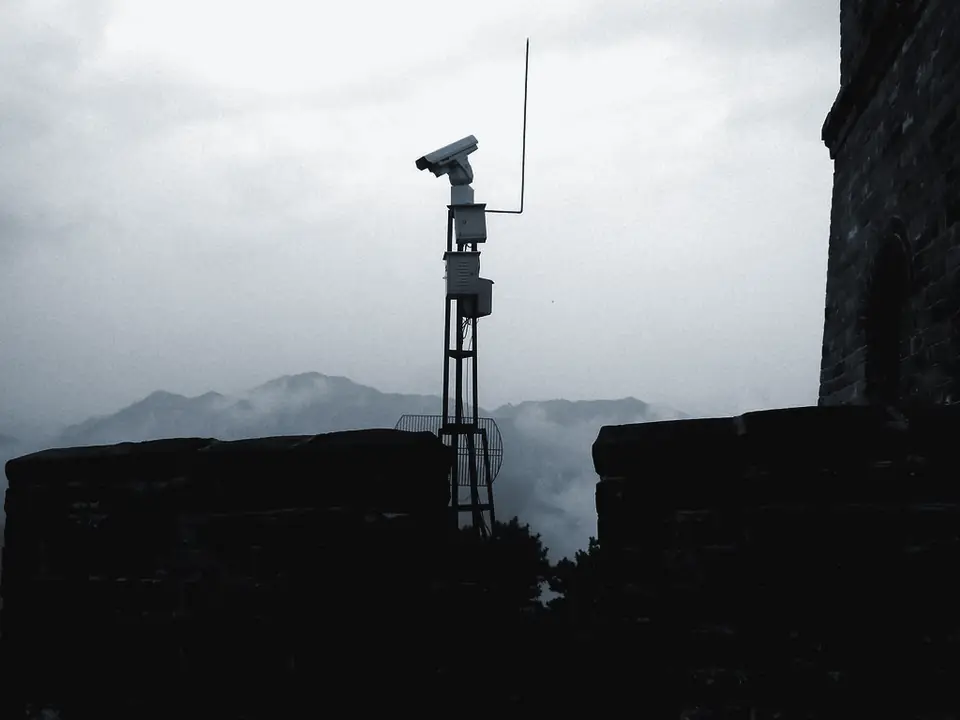
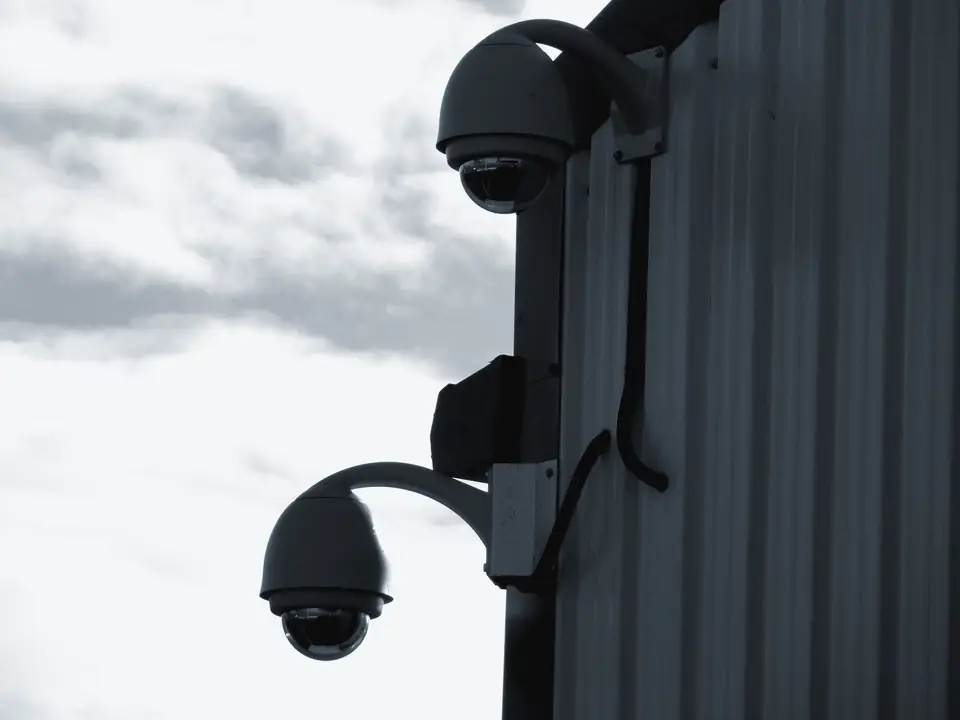
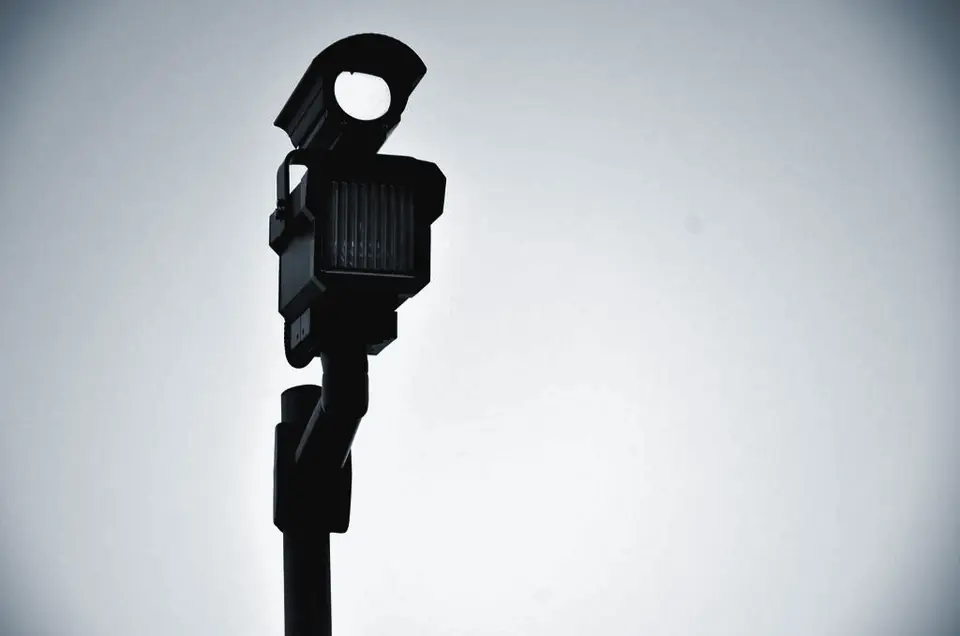
We select cameras for the conditions: IR illumination for night vision, wide dynamic range for backlit areas, vandal-resistant housings, outdoor models for frost and heat. For perimeters and large sites we use PTZ cameras and thermal imaging.
Storage and servers
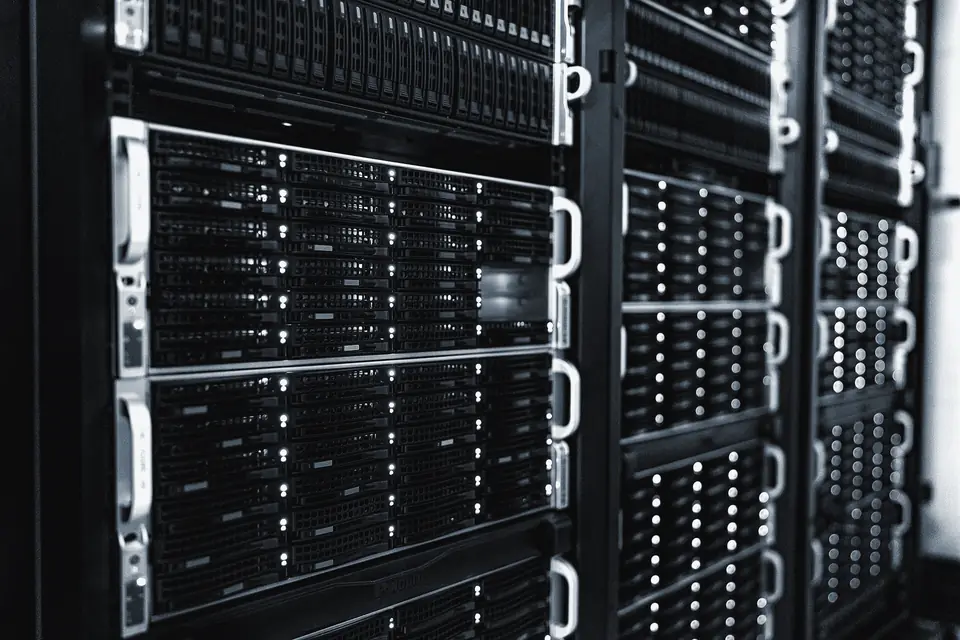
We calculate storage for the required retention period, taking into account codec, bitrate and recording mode. For critical sites we specify RAID arrays, server redundancy and UPS power so recording never stops.
Video analytics
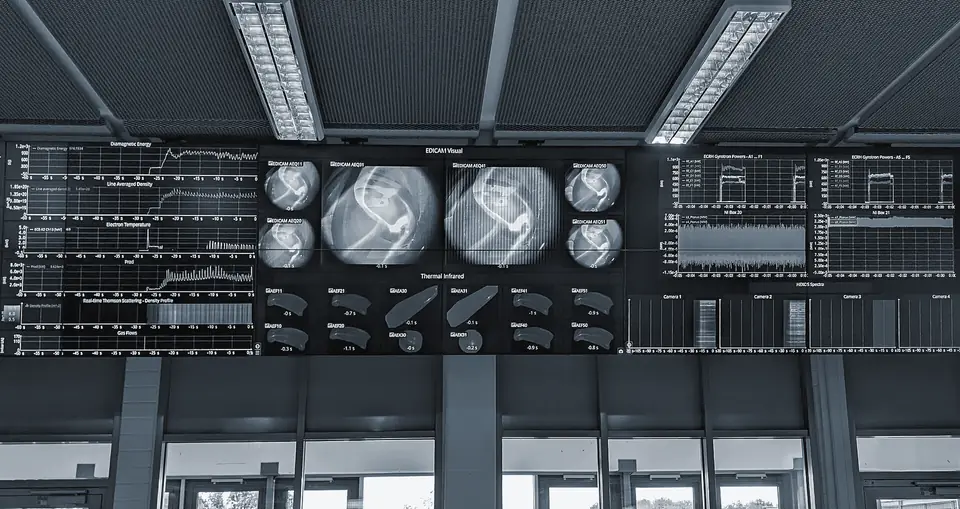
Modern analytics runs on cameras or servers and lets you:
- respond to line crossing and zone intrusion without false alarms from branches and shadows;
- recognize license plates at the entrance and control the barrier;
- count visitors and build heat maps;
- quickly search the archive for people and vehicles by attributes.
Network and cybersecurity
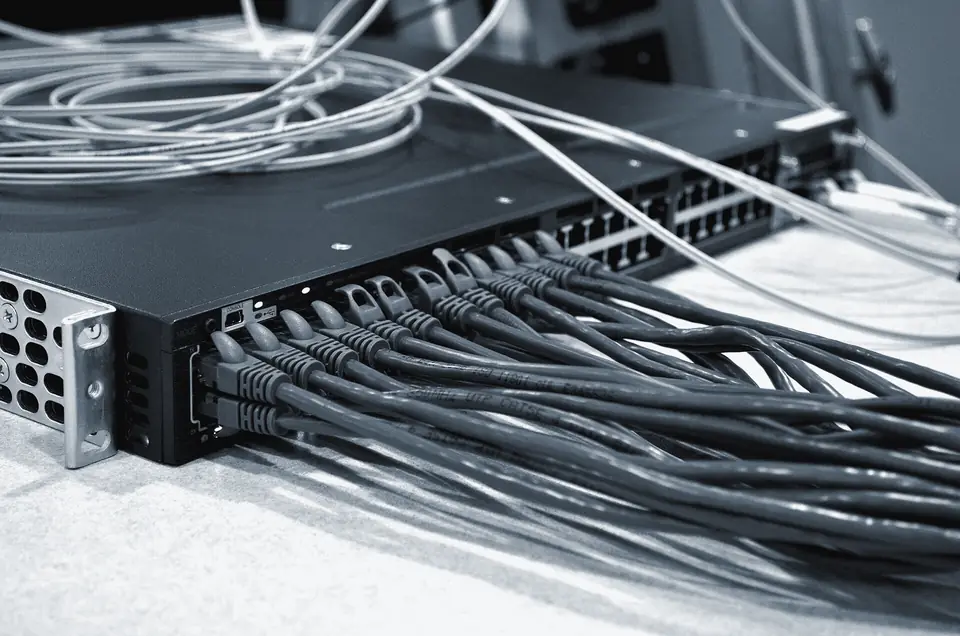
Cameras are network devices, so we design a separate secure network for them with PoE switches, backup power and well-planned remote access. Default passwords are changed, firmware is updated, and cameras are never published directly to the internet.