What a fire alarm system does
A fire alarm system (FAS) detects a fire at an early stage and triggers everything that has to happen next: alerting people, managing evacuation, starting smoke extraction and fire suppression, releasing doors, sending elevators to the main floor, shutting down ventilation and transmitting the signal to the monitoring station.
Whether people get out of the building in time depends on a properly designed and configured FAS. That is why we treat it not as a set of detectors, but as the safety control system of the whole facility.
System components
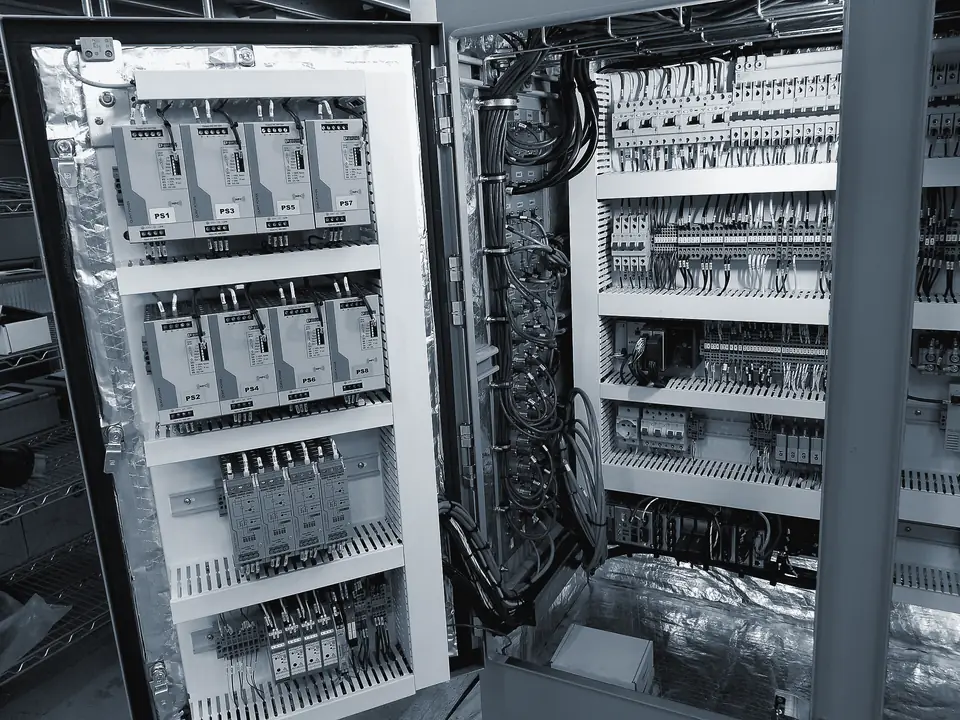
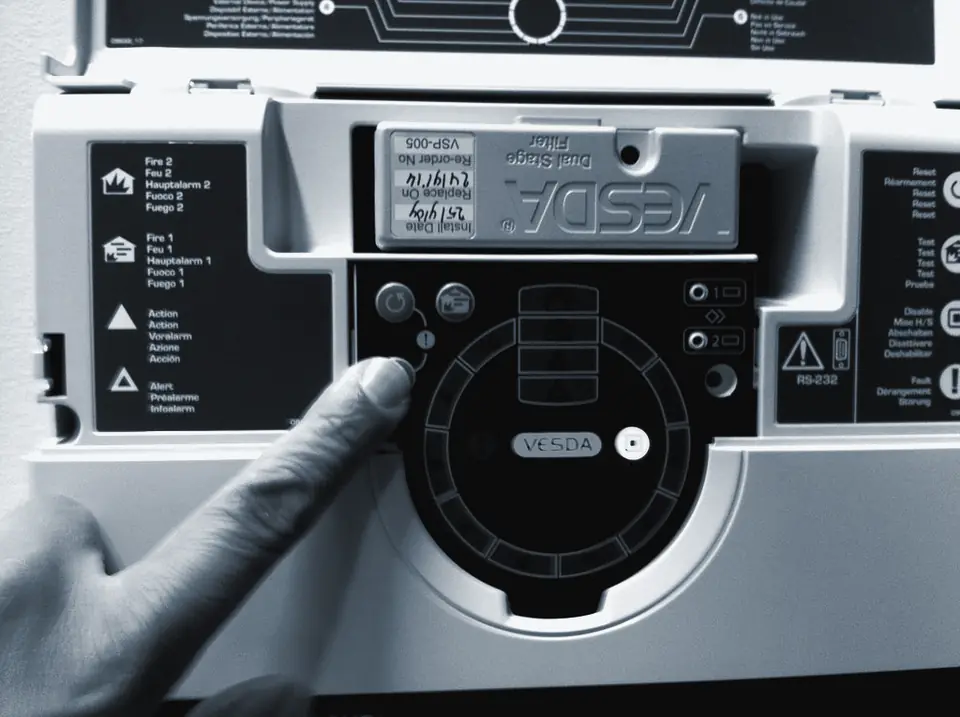
- Fire alarm control panel — the "brain" of the system that processes signals and drives outputs.
- Fire detectors: smoke, heat, multi-sensor, flame, aspirating and beam detectors, matched to each room type.
- Manual call points along escape routes.
- Input/output modules for controlling building systems.
- Alarm devices: sounders, beacons, voice alarm; "Exit" signs.
- Backup power and fire-resistant cabling wherever the codes require it.
Addressable and conventional systems
On most modern sites we use addressable systems: every device has its own address, so the panel knows exactly where an event occurred. Multi-sensor detectors make these systems more resistant to false alarms; they also self-diagnose and support flexible control logic.
Conventional systems make sense for small sites with simple logic. For a detailed comparison, see the article "Addressable vs conventional fire alarm".
Voice alarm and evacuation
The voice alarm and evacuation system notifies people of a fire and directs them to the exits. Depending on the building class, this can be sounders and beacons, voice alarm with pre-recorded messages, or a system with dynamic exit-direction signs. The required type is set by the codes for the building's occupancy and number of floors. Learn more in the article "Fire voice alarm and evacuation systems".
Siemens and Esser
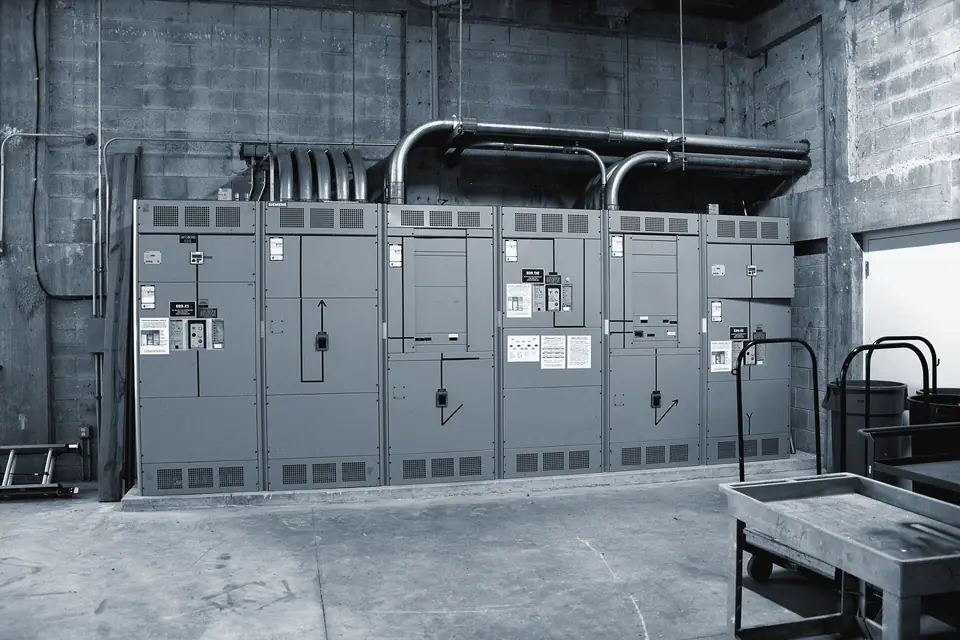
Our engineers are certified by Siemens and Esser, and we hold authorization letters from both manufacturers. These systems are chosen for business centers, industrial plants, logistics and infrastructure, where reliability, scalability and integration with the control room matter. Learn more on the "Siemens fire alarm" and "Esser fire alarm" pages.
How we work
- Survey. We assess the site, code requirements and existing systems.
- Design. Detector layout, loop and power calculations, control logic, bill of materials.
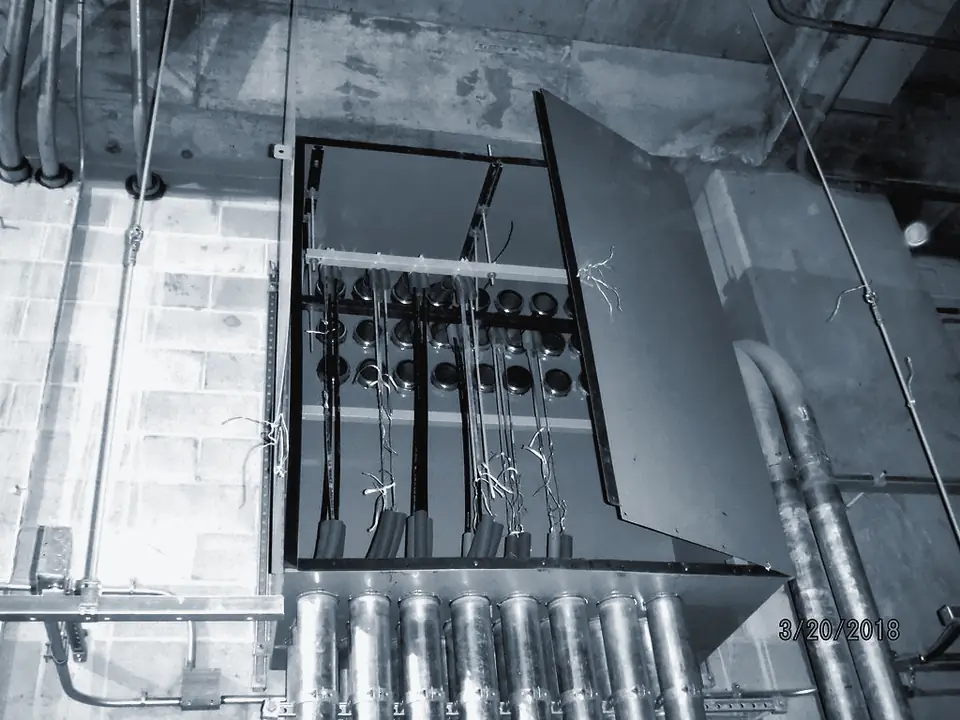
- Installation. Cable routing, equipment mounting, labeling.
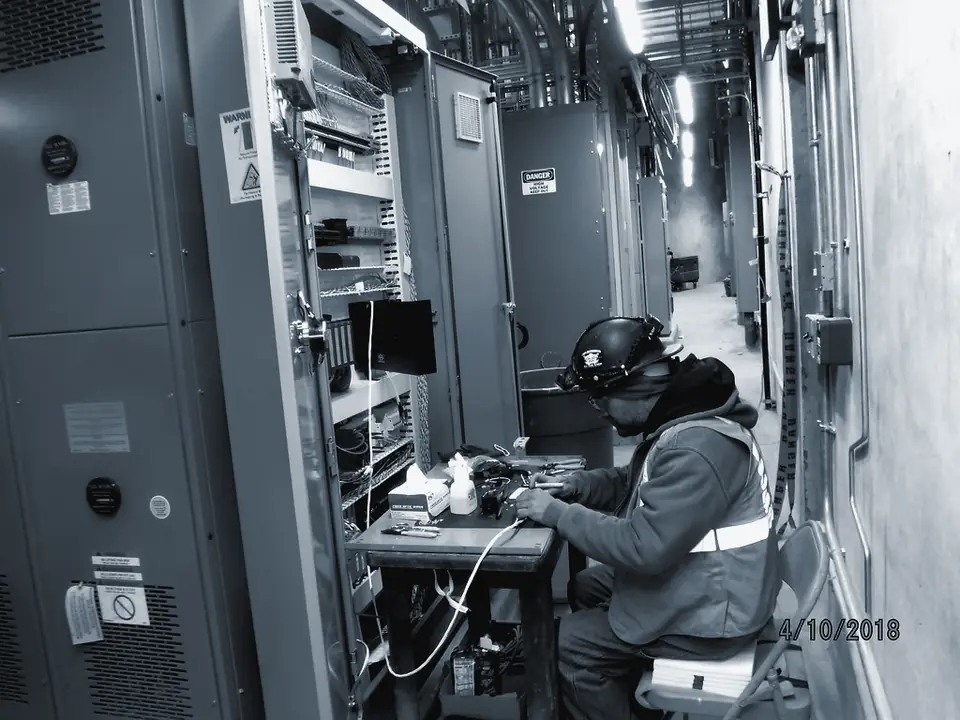
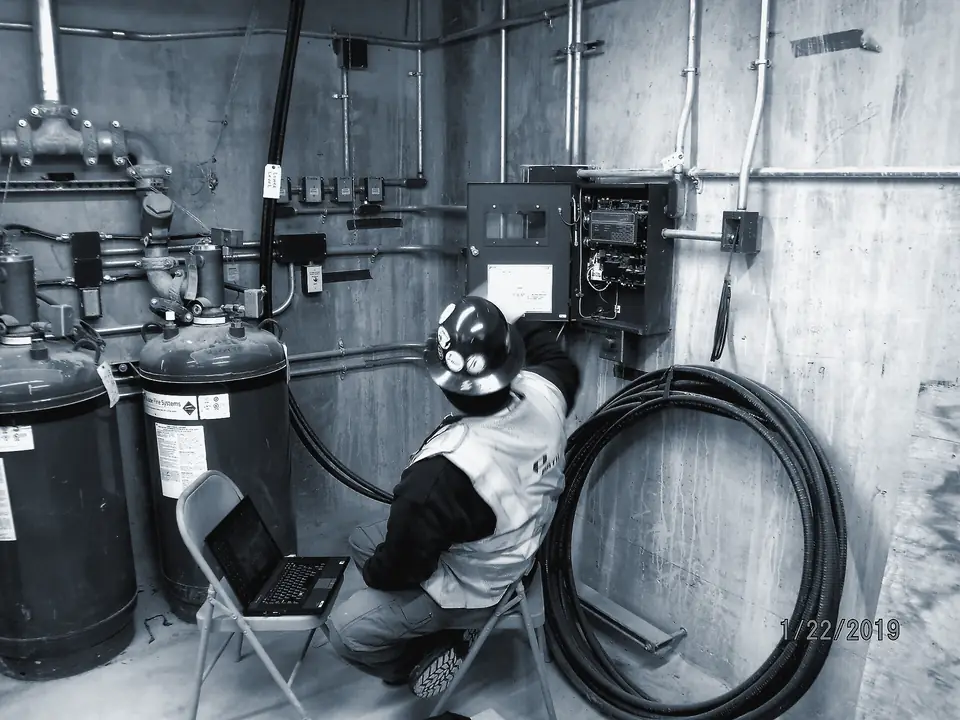
- Programming and commissioning. Configuring control logic, testing every device and scenario.
- Handover. Integrated testing, as-built documentation, staff training.
- Maintenance. Scheduled work, emergency call-outs, upgrades.
Upgrading and servicing existing systems
If your system reports faults, gives frequent false alarms or has failed an inspection, we audit it and propose a solution: from replacing individual detectors to a phased upgrade without shutting down the facility.