How to choose a suppression method
There is no universal method. The choice depends on what can burn, what needs to be protected and whether people will be present in the space.
| Method | Where it fits | Key points |
|---|---|---|
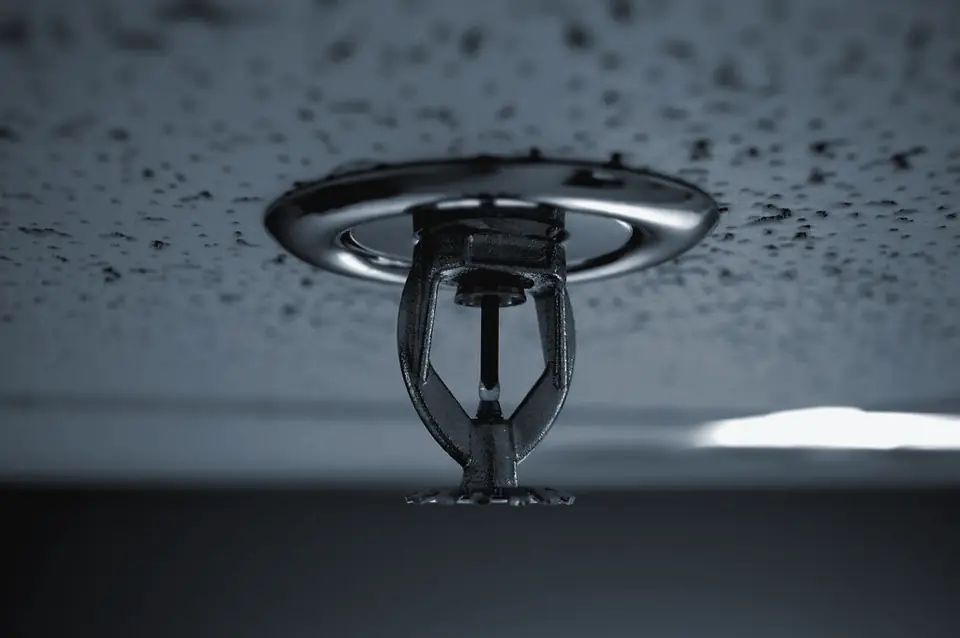
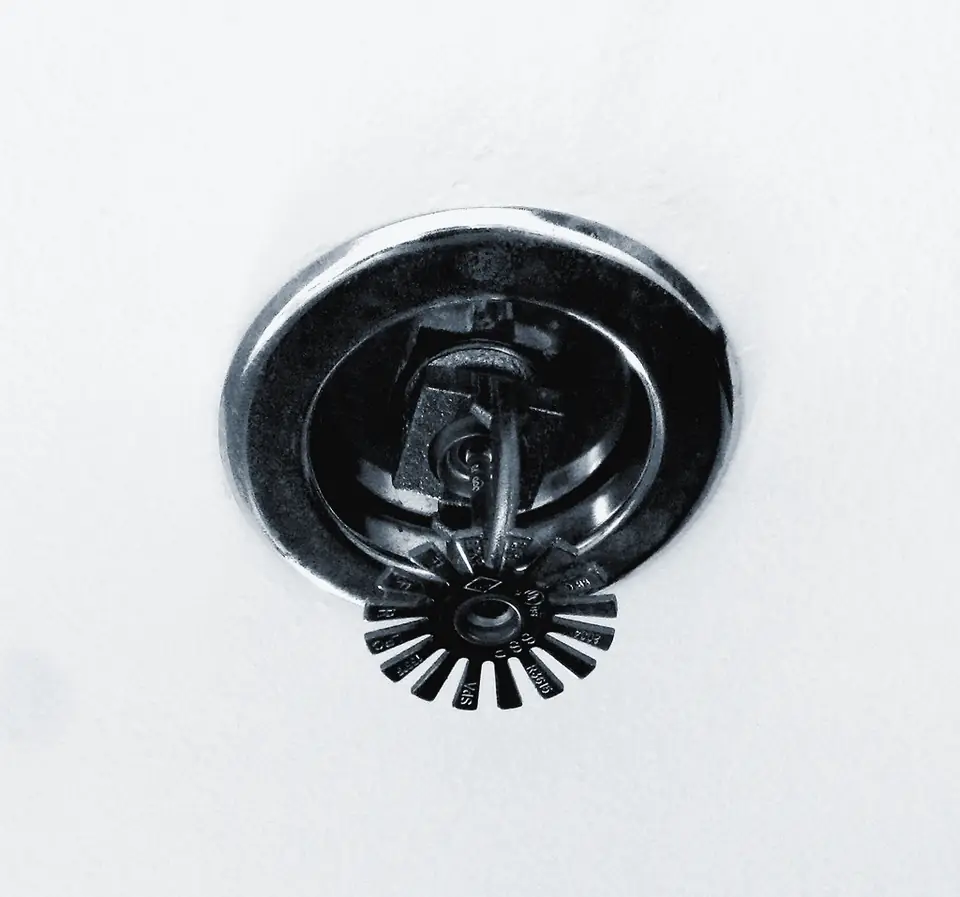
| Wet sprinkler | Warehouses, retail floors, parking, offices | Only the sprinkler above the fire operates; needs a reliable water supply |
| Deluge | Stages, process lines, water curtains | The whole zone is discharged at once on a signal |
| Gas | Server rooms, switch rooms, archives, museum storage | Does not damage equipment; the room must be airtight |
| Aerosol | Switch rooms, cable tunnels, technical rooms | Compact generators; restrictions on occupied spaces |
| Powder | Technical and storage rooms that are not permanently occupied | Low cost; requires cleanup after discharge |
Sprinkler and deluge systems
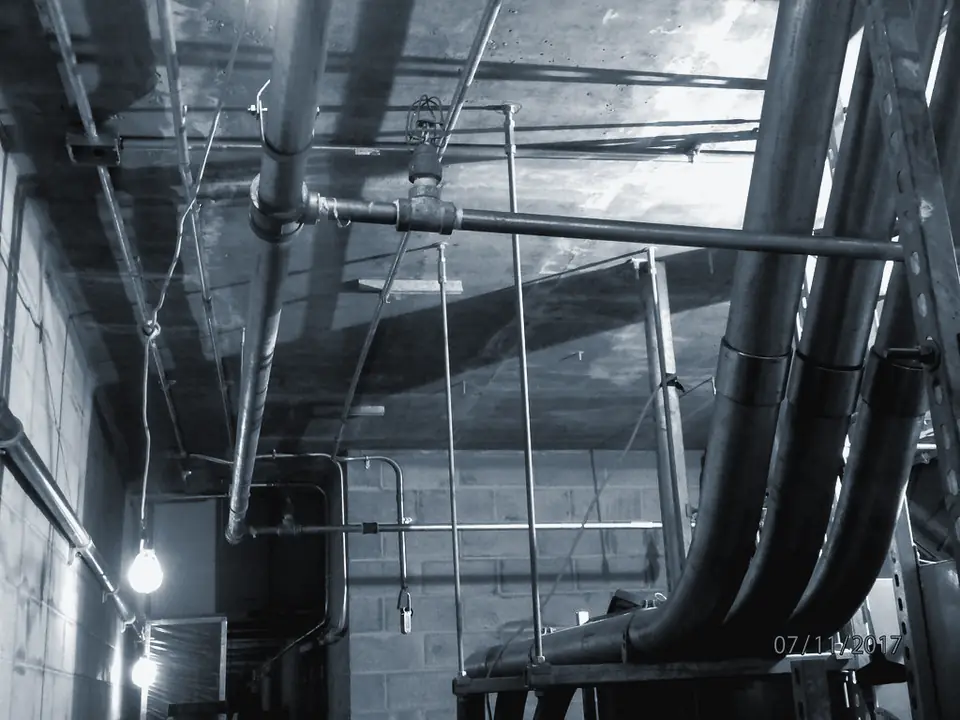
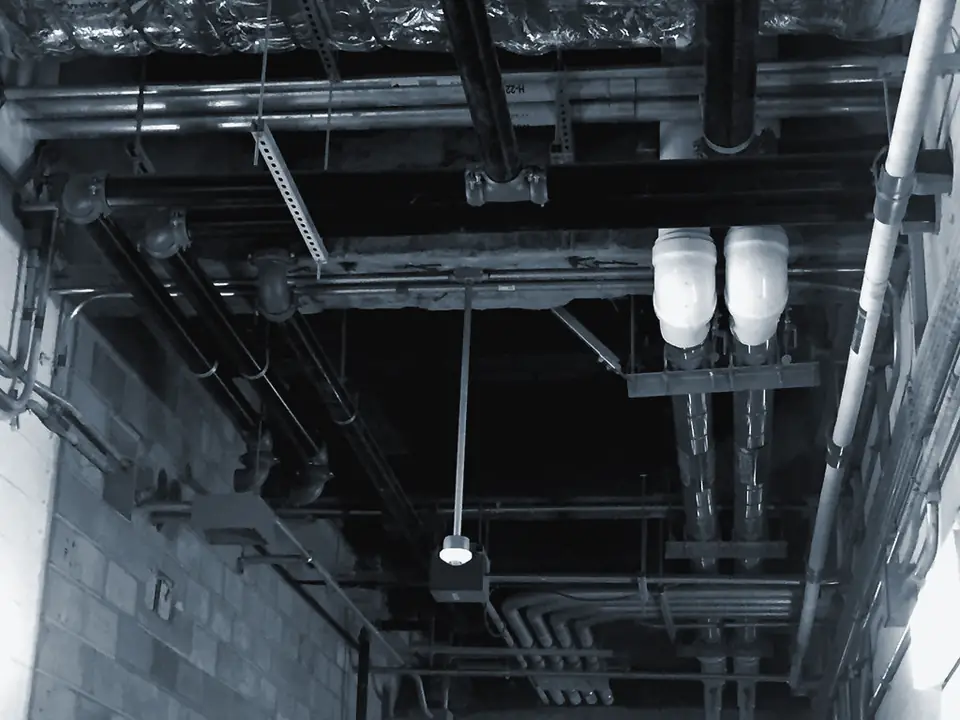
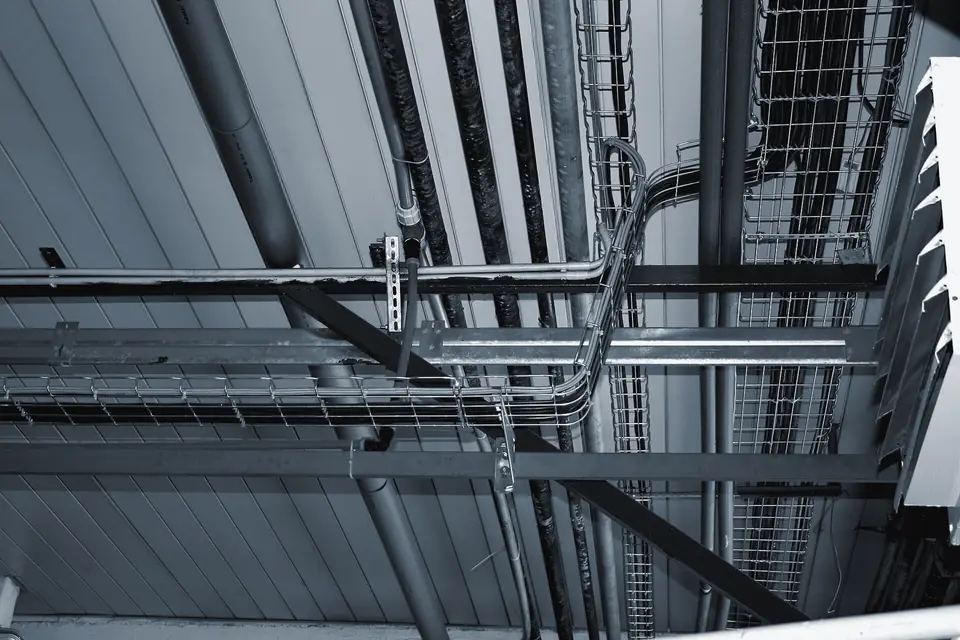
A sprinkler system is the most common form of automatic suppression for large areas. Sprinklers open from heat only above the fire, so water damage is minimal. We carry out the hydraulic calculation, design the piping network, control valve sets and fire pump station, and send discharge and valve-status signals to the fire alarm.
Fire pump stations
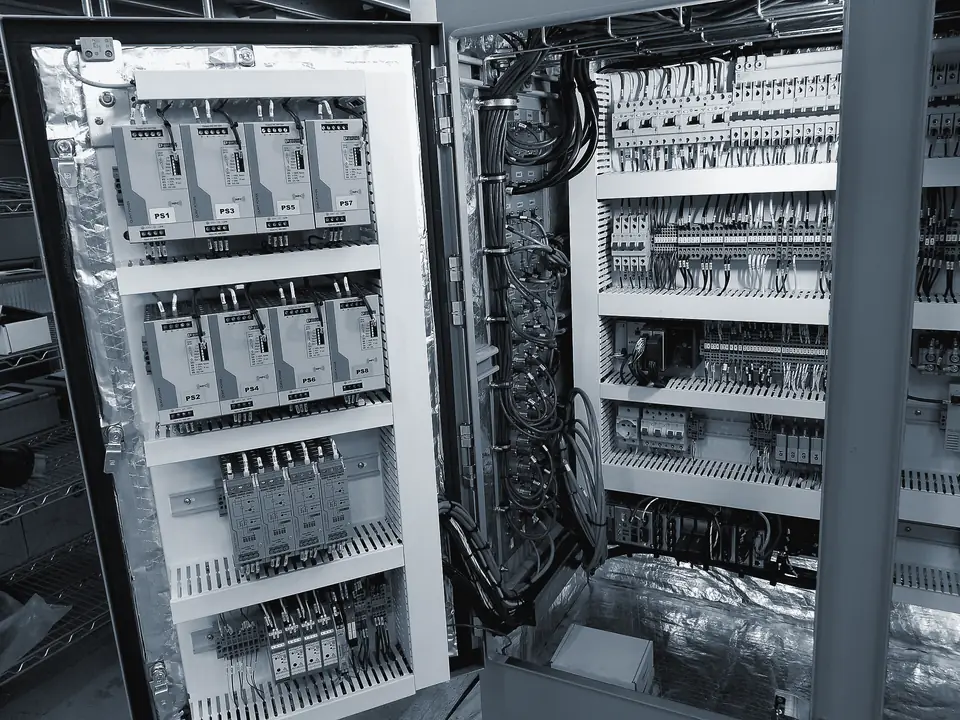
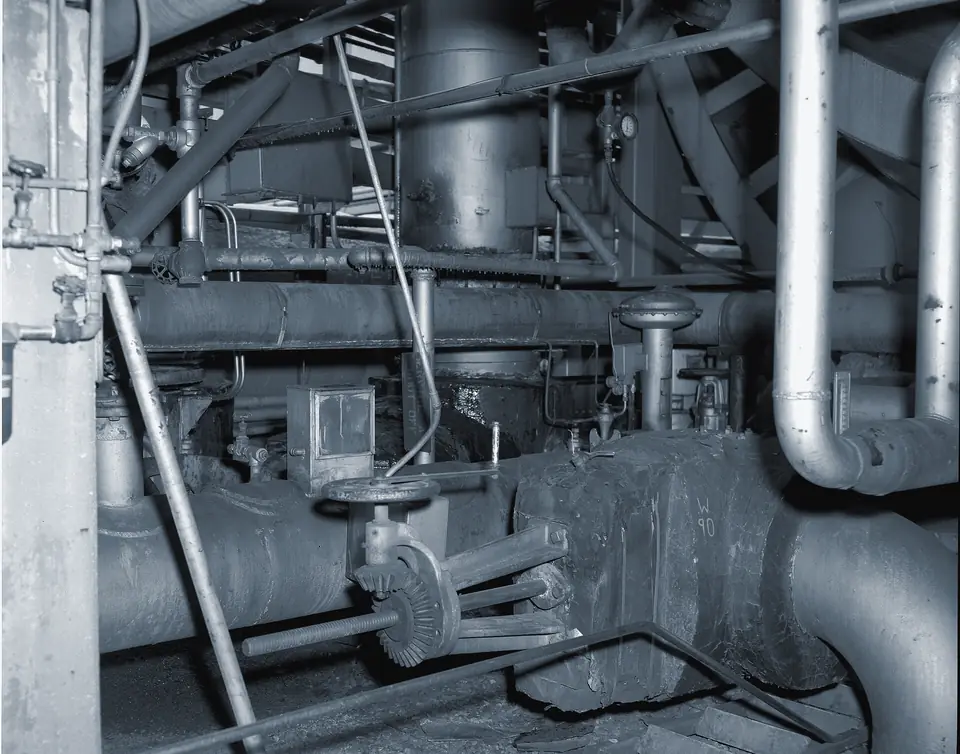
The fire pump station is the heart of water-based suppression: duty and standby pumps, a jockey pump to maintain pressure, control panels, supervised valves and, where needed, a water storage tank. The controls must start the pumps reliably and report their status to the control room.
Gas fire suppression
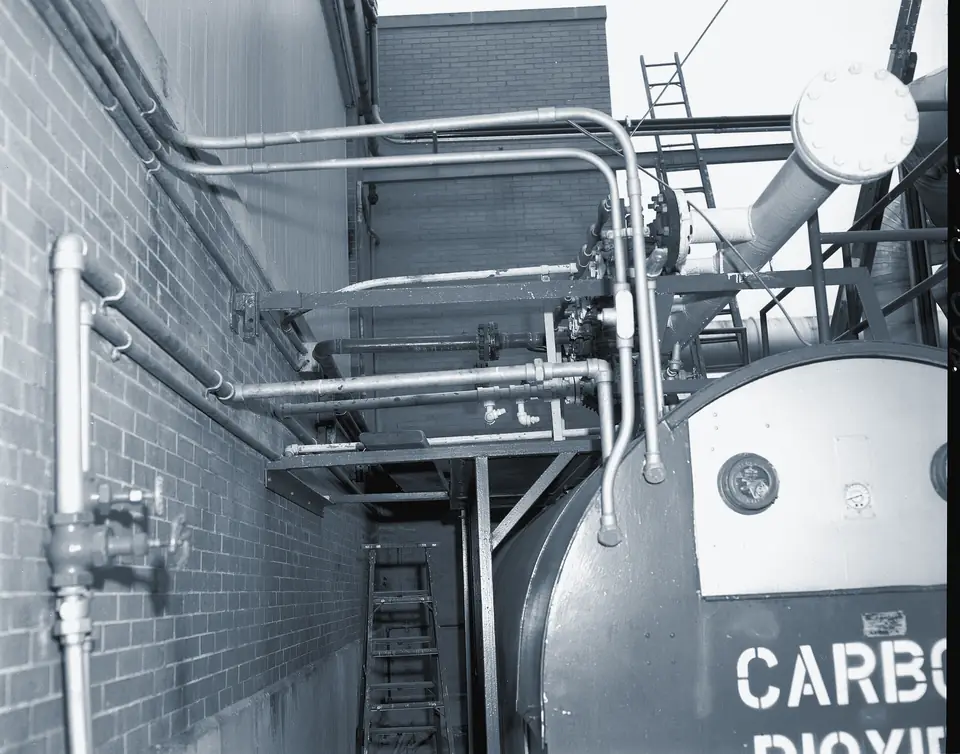
For rooms with electronics and valuables, gas is the best choice. We calculate the agent quantity, the number of cylinders and the nozzle layout, check room integrity and design the control system with warnings, a discharge delay and inhibition when the door is open.
Maintenance
Fire suppression systems need regular checks: cylinder pressure, condition of piping and sprinklers, pump and control operation. We carry out scheduled maintenance and arrange cylinder recharging and recertification.