Fire protection systems spend years in standby mode, "doing nothing" until a fire breaks out. Over that time detectors collect dust, batteries lose capacity, dampers seize, and settings may change after renovations. Without regular maintenance, a system that exists on paper may fail at the moment it is needed.
What the law requires
The Fire Safety Rules of Ukraine require fire protection systems to be kept in working order and properly maintained. The work is carried out by organizations legally entitled to do it, and the results are recorded in a logbook. The frequency and scope of work are set by regulatory documents, the equipment manufacturer's requirements and the maintenance contract.
What maintenance includes
Fire alarm
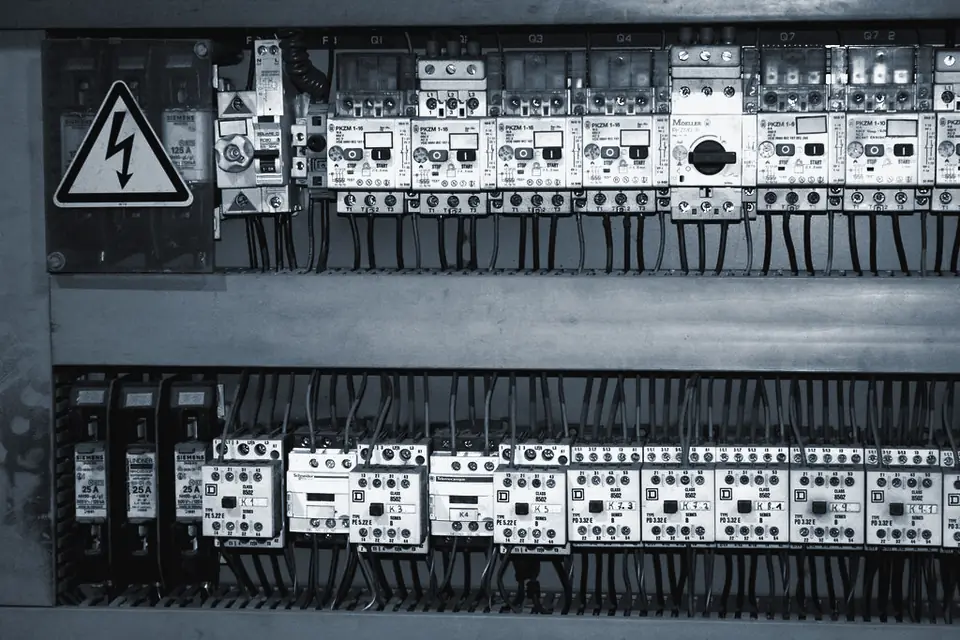
- checking the control panel, indication and event log;
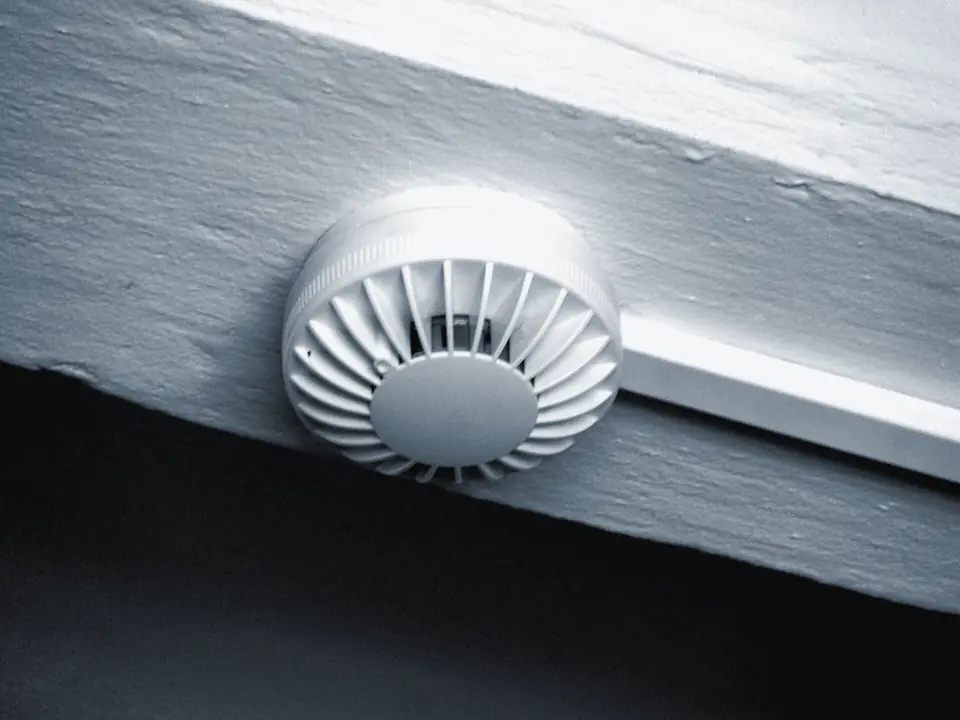
- testing detectors on schedule (including with test aerosol or heat);
- monitoring contamination of addressable detectors and cleaning or replacing them;
- checking manual call points, sounders and modules;
- checking backup power and batteries;
- checking control outputs to building services.
Voice alarm and evacuation
- checking sounders, beacons and voice messages;
- monitoring lines for open and short circuits;
- measuring sound levels at reference points.
Smoke control
- checking that smoke extraction dampers and fire dampers open and close;
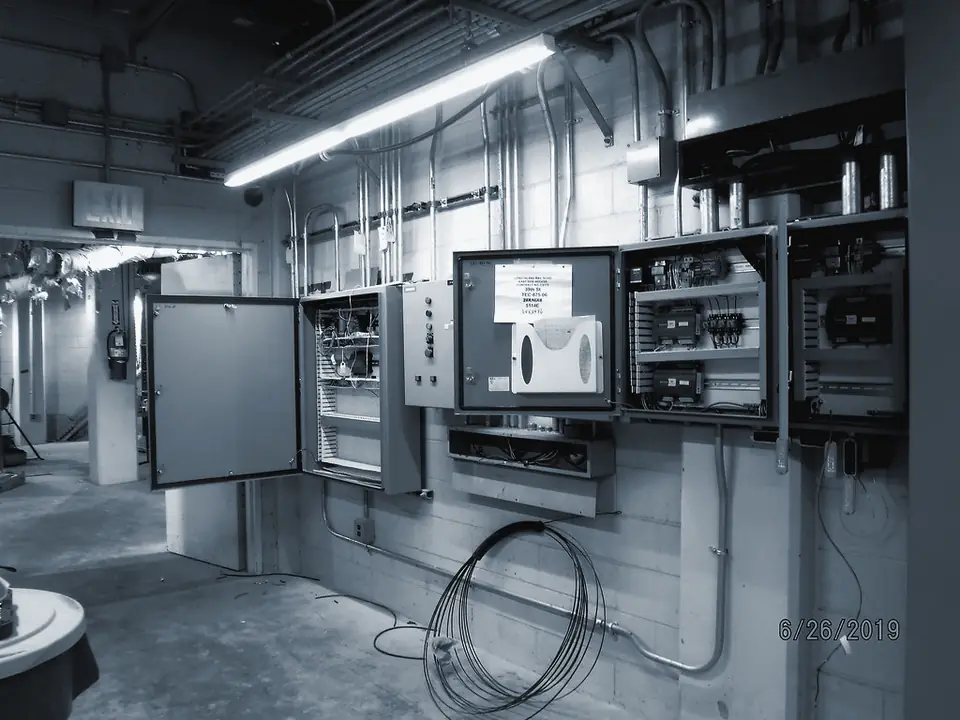
- starting smoke extraction and pressurization fans;
- checking start-up sequences triggered by the fire alarm and by push buttons.
Fire suppression
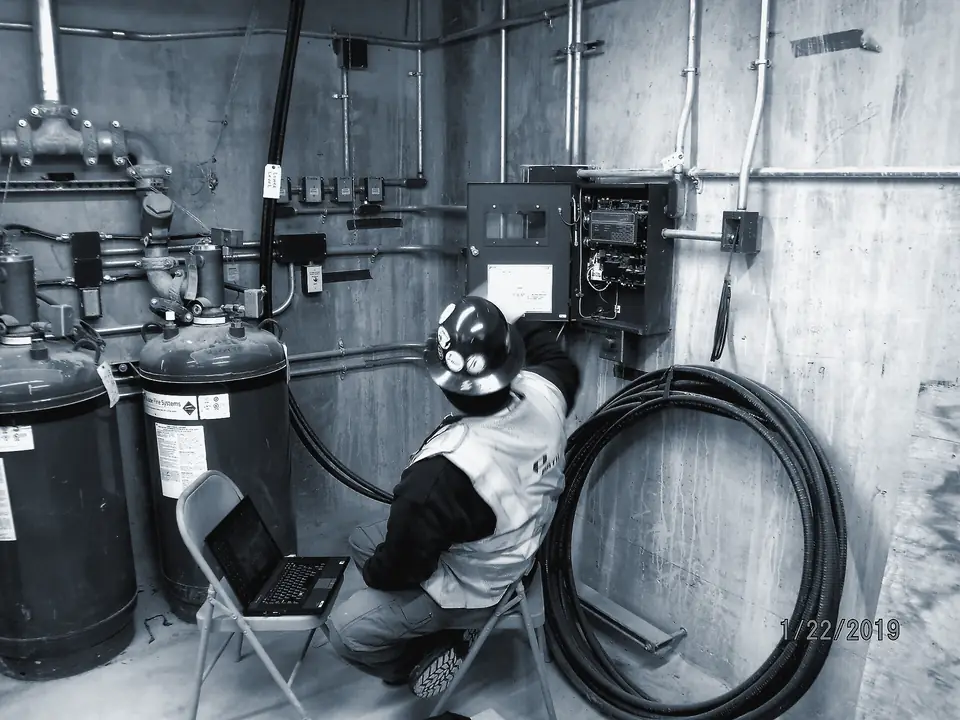
- monitoring pressure and extinguishing agent mass in cylinders;
- inspecting pipework, sprinklers, control valve sets and gate valves;
- test runs of pumps, checking automation and backup power.
False alarms are a warning sign
Frequent false alarms are the most common complaint from system owners. Typical causes:
- dusty detectors (especially after renovations);
- the wrong detector type for the room (a smoke detector in a kitchen or shower room);
- damaged lines, poor contacts, moisture;
- incorrect settings or an outdated configuration.
False alarms must never be "fixed" by disabling detectors. That is a direct threat to safety and a breach of the rules. The right solution is an audit and elimination of the cause.
How to choose a contractor
- Legal entitlement to do the work under applicable law.
- Experience with your equipment. For Siemens and Esser systems, certified engineers with access to the manufacturer's software.
- A maintenance schedule in the contract with a clear list of tasks and their frequency.
- Emergency call-out and response time.
- Reporting: logbook, completion certificates, upgrade recommendations.
Our approach
We take on maintenance of fire protection systems, including those installed by other companies: we carry out an initial audit, restore documentation and configuration, fix faults, and then work to a schedule with a 24/7 emergency line. As certified engineers, we maintain Siemens and Esser systems.