Why integrate
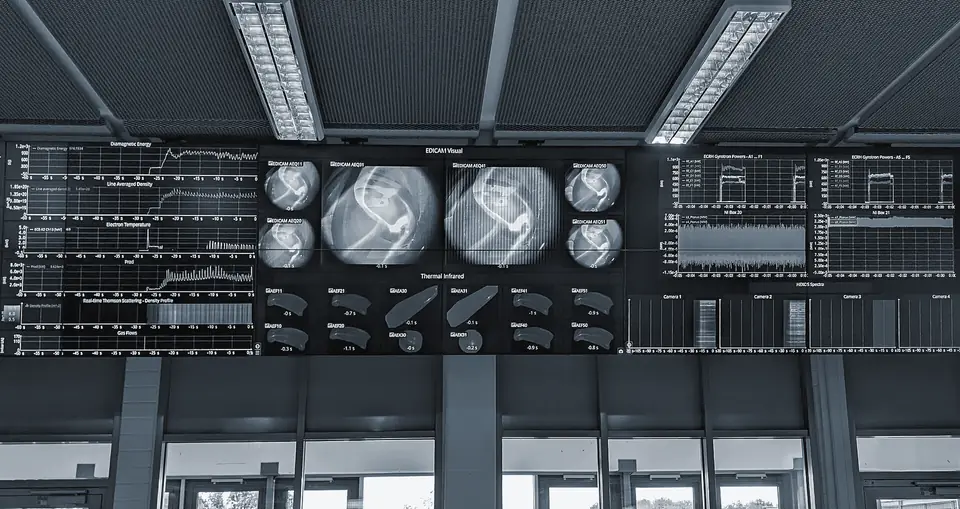
On a typical site, the fire alarm, access control, video surveillance, ventilation and building monitoring are installed by different contractors on equipment from different manufacturers. As a result, the guard watches five screens, events are not linked, and "fire → doors → ventilation → elevators" scenarios are implemented partly or only on paper.
Integration turns a collection of systems into a single mechanism.
Example scenarios
- Fire: locks on escape routes release, turnstiles switch to free passage, general ventilation stops, smoke extraction starts, elevators go to the main floor, and cameras in the fire zone are shown on the operator's screen.
- Intrusion: an intruder alarm sensor turns on the lights, brings up the video and locks the doors in the zone.
- Building equipment failure: a stopped pump or fan arrives as a notification with the exact location and time.
- Air-raid alert: AB-ALERT triggers the alerting, opens the shelter and switches the public address.
How we integrate
- Audit. Which systems are present and which protocols and interfaces they support.
- Interaction matrix. A document that defines the response of every system to every event.
- Hardware level. Safety-critical actions are implemented through relay outputs and panel modules so they work independently of servers.
- Software level. Event collection via Modbus, BACnet, OPC UA and manufacturer APIs, a single interface and log.
- Verification. We test every scenario on real equipment.
Platforms
We work with the Siemens Desigo CC platform, integrate Esser systems and equipment from other manufacturers, and where no ready-made platform exists or it would be overkill, we develop our own lightweight operator interface.