Switches and cameras are replaced every few years, while the cables in walls and trays stay for decades. That is why mistakes in cabling infrastructure are the most expensive: fixing them means taking ceilings apart and running new routes.
What structured cabling is
A structured cabling system is a building's standardized cabling infrastructure. It consists of:
- work areas: outlets for computers, phones, printers, Wi-Fi access points, cameras;
- horizontal cabling from outlets to telecom racks on each floor;
- patch panels and racks;
- backbones between floors and buildings (often fiber);
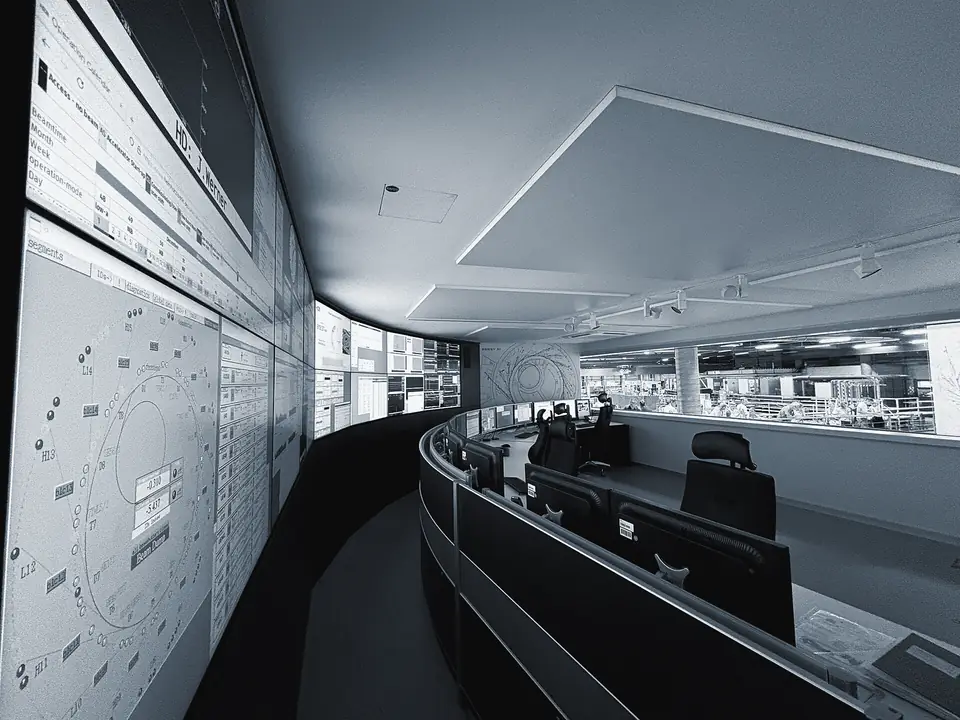
- the server room or main cross-connect.
The principle of structured cabling is universality: any outlet can be used for any service simply by re-patching a cord in the rack.
Choosing cable
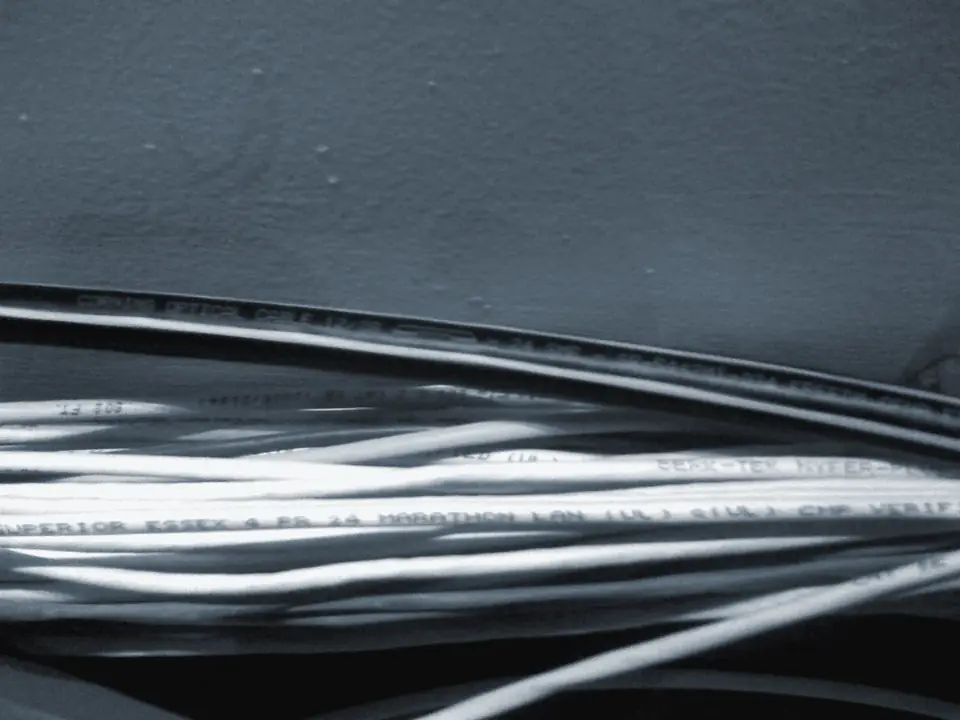
- Cat 6 is a sensible minimum for new office networks.
- Cat 6A provides headroom for the future and comfortable PoE operation for cameras and access points.
- Fiber for backbones and long runs where copper is not suitable because of length.
- Shielding where there are strong sources of interference.
Cable routes
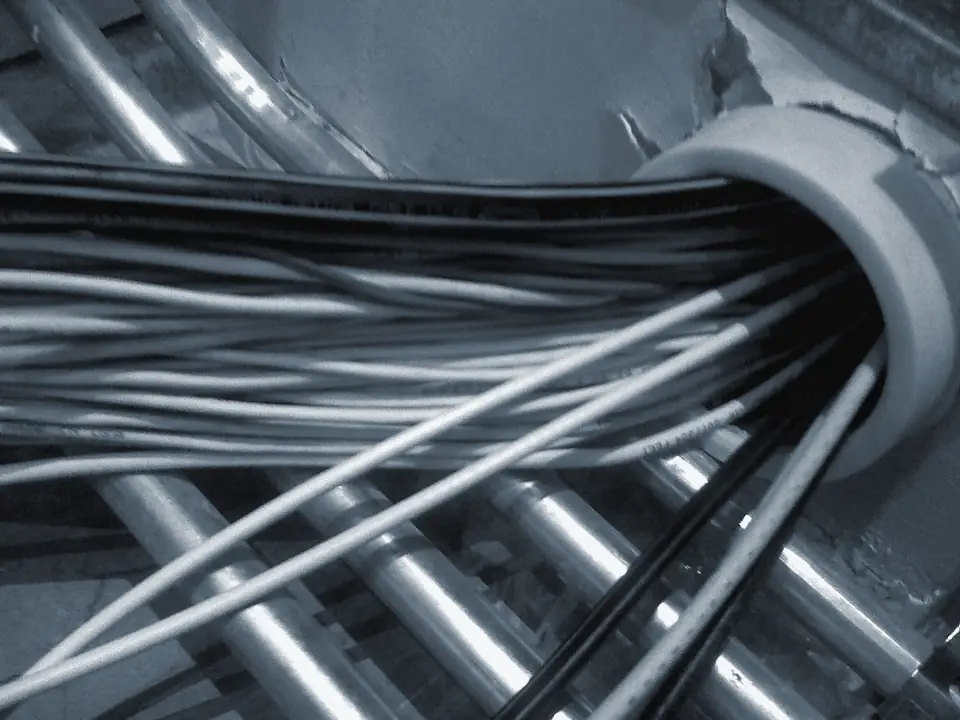
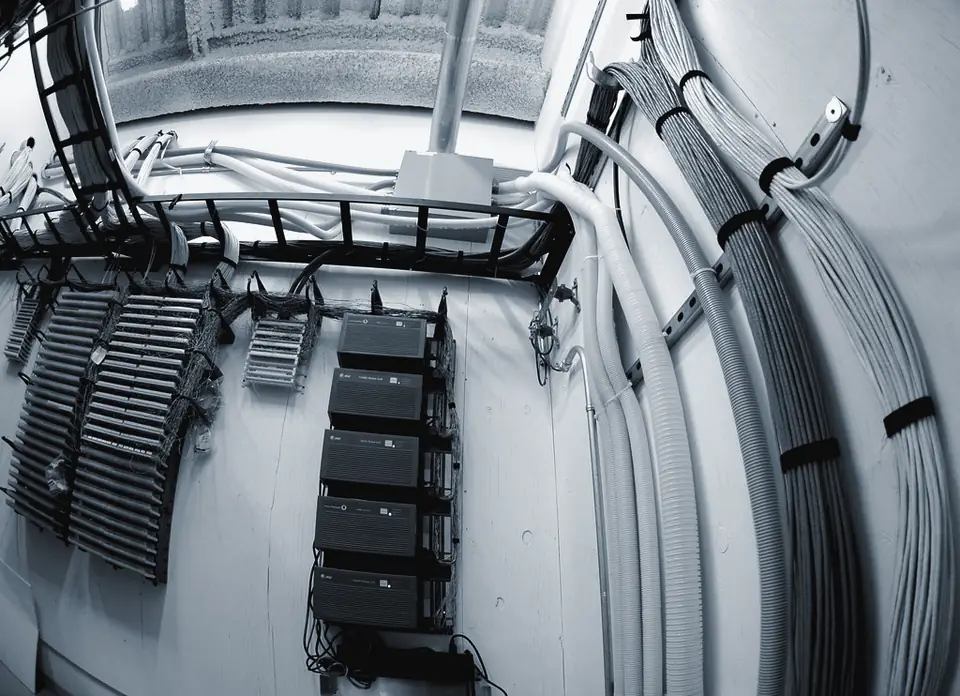
Correct routes are the foundation of cable management:
- Spare capacity. Trays and trunking are designed with room for future lines.
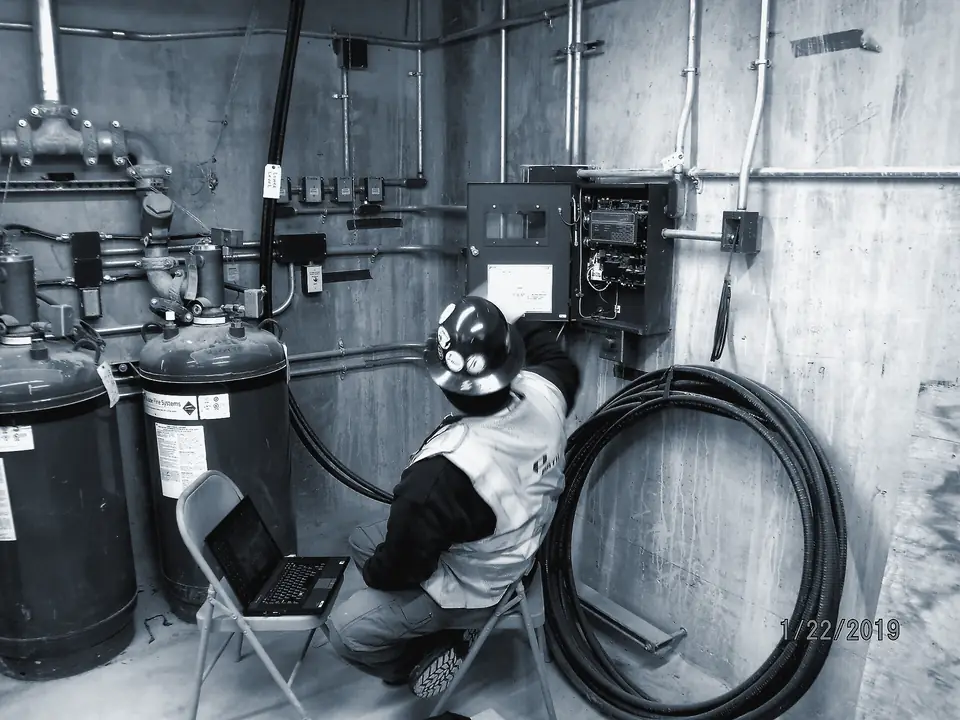
- System separation. Power and low-voltage cables are separated in line with the codes; fire protection system lines are run separately, with the required fire resistance.
- Bend radii and permissible cable pulling tension are observed during installation.
- Maintenance access: hatches, inspection openings, clear routes.
Telecom racks
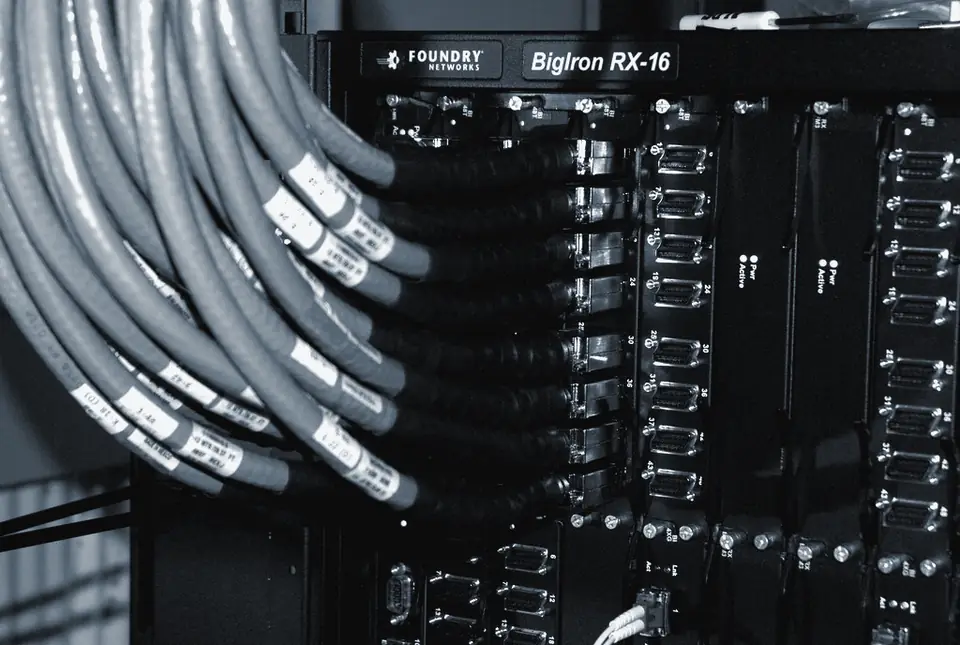
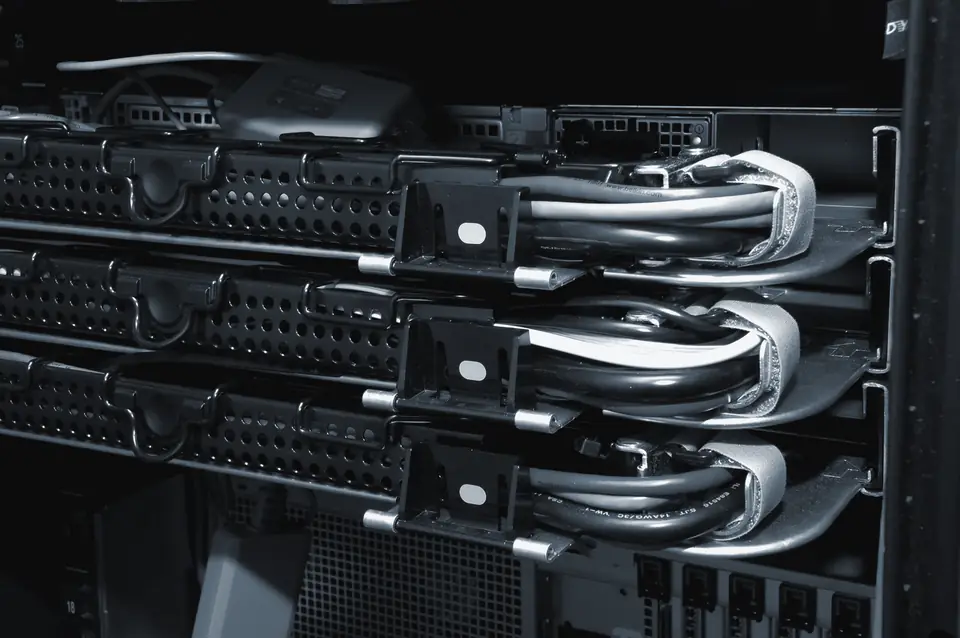
A tidy rack means horizontal and vertical cable organizers, patch cords of the right length, logical equipment layout, a UPS and ventilation. The main rule: every port is labeled and matches the cable schedule.
Labeling and documentation
Labels at both ends of every line, a cable schedule and diagrams save hours during every service visit. Without documentation, even a perfectly installed structured cabling system becomes opaque after a few years.
Testing
Every line is tested with a certifier for compliance with its category, and fiber is tested for attenuation. Test reports are handed over to the client: they confirm quality and form the basis for the manufacturer's warranty.
Common mistakes
- routes with no spare capacity, so new lines get "thrown" across the ceiling;
- power and low-voltage cables in the same tray;
- no labeling or documentation;
- "saving" on cable category, which limits the network a few years later;
- accepting work without testing.
More details on the "Communications" and "Low-Voltage Systems" pages.